Strictly enforced! Dispose of trash in proper bins.
Violators may be fined or asked to do community service.
🚭 2. No Smoking in Public Areas
Smoking is banned in most public places including parks, terminals, and streets.
Designated smoking areas are available.
🛑 3. Follow Traffic and Pedestrian Rules
Always cross at designated pedestrian lanes.
Baguio has a number coding scheme (like in Metro Manila), especially for private cars.
🧣 4. Respect Local Culture
Baguio is home to indigenous peoples (like the Igorot). Ask permission before taking photos, especially in traditional attire or cultural sites.
🪧 5. Follow Park and Tourist Site Regulations
No picking of flowers or plants in parks.
Some areas may restrict drone flying — check signs or ask the tourism office.
📵 6. Observe Quiet in Sacred and Historical Places
Churches, museums, and cultural villages expect respectful behavior.
Keep phone volume and noise low.
🧼 7. Keep It Clean and Green
Baguio promotes eco-tourism. Bring your own tumbler or reusable bag if possible.
Avoid single-use plastics when shopping.
TOURIST SPOTS
Baguio City, known as the “Summer Capital of the Philippines,” is a scenic mountain city located in the Cordillera region of Northern Luzon. Famous for its cool climate, pine trees, and vibrant culture, Baguio offers a refreshing escape from the tropical heat.
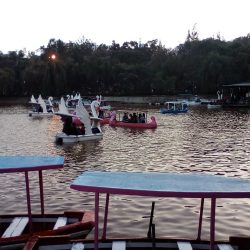
Tourists are drawn to iconic spots like Burnham Park, where you can enjoy boat rides and leisurely walks; Mines View Park, offering breathtaking views of the mountains; and Wright Park, known for horseback riding and pine-lined roads. The Mansion, Botanical Garden, and Camp John Hay showcase a mix of history, nature, and leisure. For a more spiritual experience, visitors often go to the Baguio Cathedral or Our Lady of Lourdes Grotto.
With its blend of natural beauty, cultural heritage, and artistic vibe, Baguio remains one of the top travel destinations in the Philippines.
Watch the video below to discover more about Baguio City's top destinations.
Mirador Heritage and Eco Park
Mirador Hill Baguio is one of the most popular tourist spots in the city. It’s not only a great place to enjoy panoramic views of the city and its surroundings but also a heritage and eco-park with plenty of interesting things to see and do. If you’re planning a trip to Baguio, make sure to include Mirador Hill on your itinerary!
Burnham Park
The ‘mother of all parks’ in Baguio city, the summer capital of the Philippines, is a 32.84-hectare park designed by, and named after, American architect and urban planner Daniel Hudson Burnham
Botanical Park
A botanical park, or botanical garden, is a place where a collection of living plants, typically labeled with their scientific and common names, is maintained for scientific research, conservation, display, and education.
Teacher's Camp
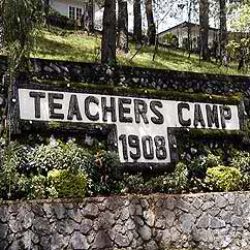
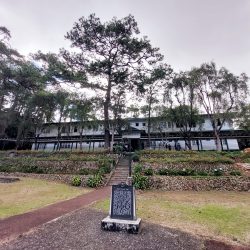
Teacher’s Camp in Baguio City is a historic retreat and training center for educators, established in 1908. Located along Leonard Wood Road, it offers a peaceful, pine-covered environment perfect for seminars, training, and affordable lodging. Known for its colonial charm and cultural significance, it remains a popular site for both educators and tourists visiting Baguio.
Wright Park
Teacher’s Camp in Baguio City is a historic retreat and training center for educators, established in 1908. Located along Leonard Wood Road, it offers a peaceful, pine-covered environment perfect for seminars, training, and affordable lodging. Known for its colonial charm and cultural significance, it remains a popular site for both educators and tourists visiting Baguio.
Mines View Park
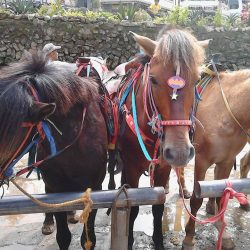
Wright Park is one of Baguio City’s iconic open spaces, known for its tree-lined avenue and horseback riding activities. Visitors can stroll along the Pool of Pines, rent colorful horses, or take photos in traditional Igorot attire. It’s a peaceful escape that blends natural beauty with cultural charm — perfect for families and first-time travelers.
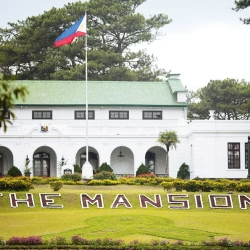
The Mansion
Located just across Wright Park, The Mansion is the official summer residence of the Philippine President. Built in 1908, this elegant structure features a grand iron gate, beautiful gardens, and classic architecture. While the main building is not open to the public, visitors can take photos by the gate and enjoy the peaceful surroundings, making it a must-visit stop in Baguio.
Taste of Baguio
Pinikpikan
“Pinikpikan is a traditional Cordilleran dish in Baguio, made by lightly beating a chicken before cooking it in a savory broth — a rich, smoky, and culturally significant meal that reflects the region’s rich heritage.”
Kiniing and Etag
“Kini-ing and etag are traditional Cordilleran preserved meats — kini-ing is thinly sliced, smoke-cured pork, while etag is salted, air-dried pork — adding a rich, deep flavor to many Baguio dishes.”
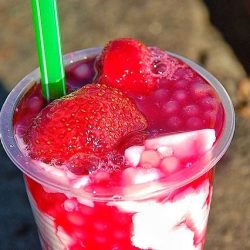
Strawberry Taho
“Strawberry taho is a must-try treat in Baguio — a sweet twist on the classic taho made with soft silken tofu, rich strawberries in syrup, and pearls, perfect for a warm snack on a chilly day.”
Coffee's
Baguio’s cool climate makes it the perfect place to enjoy a warm cup of coffee. The city is home to charming cafés that offer local brews, scenic mountain views, and cozy atmospheres. Whether you’re craving native Cordilleran blends, creamy strawberry desserts, or a quiet spot to relax, Baguio’s coffee shops have something for every coffee lover.
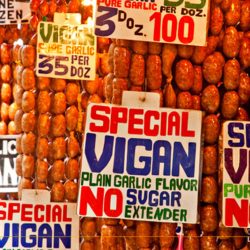
Baguio Longganisa
Baguio Longganisa is a local version of the Filipino sausage, known for its garlicky, mildly sweet, and slightly tangy flavor. Unlike the strong or oily longganisa found elsewhere, Baguio’s version is lighter and perfect for breakfast, often served with garlic rice and egg — making it a must-try dish when visiting the city.
Pasalubong
Baguio is a pasalubong paradise! Aside from the famous ube jam from Good Shepherd and Baguio longganisa, visitors can bring home strawberry jam, peanut brittle, and choco flakes. The city also offers unique woodcrafts, woven items, and silver accessories from local artisans. Don’t miss the chance to shop for fresh veggies and native products at the public market or souvenir stalls around the city.